Maintaining a functional sewer system is essential for protecting your home from backups, foul odors, flooding, and costly damage. A professional sewer cleaning appointment is designed to identify problems, remove blockages, and evaluate the condition of the pipes. Knowing what to expect can help homeowners prepare for the visit and understand why technicians use specific tools and techniques.
Assessing the Sewer System
Scheduling the Appointment
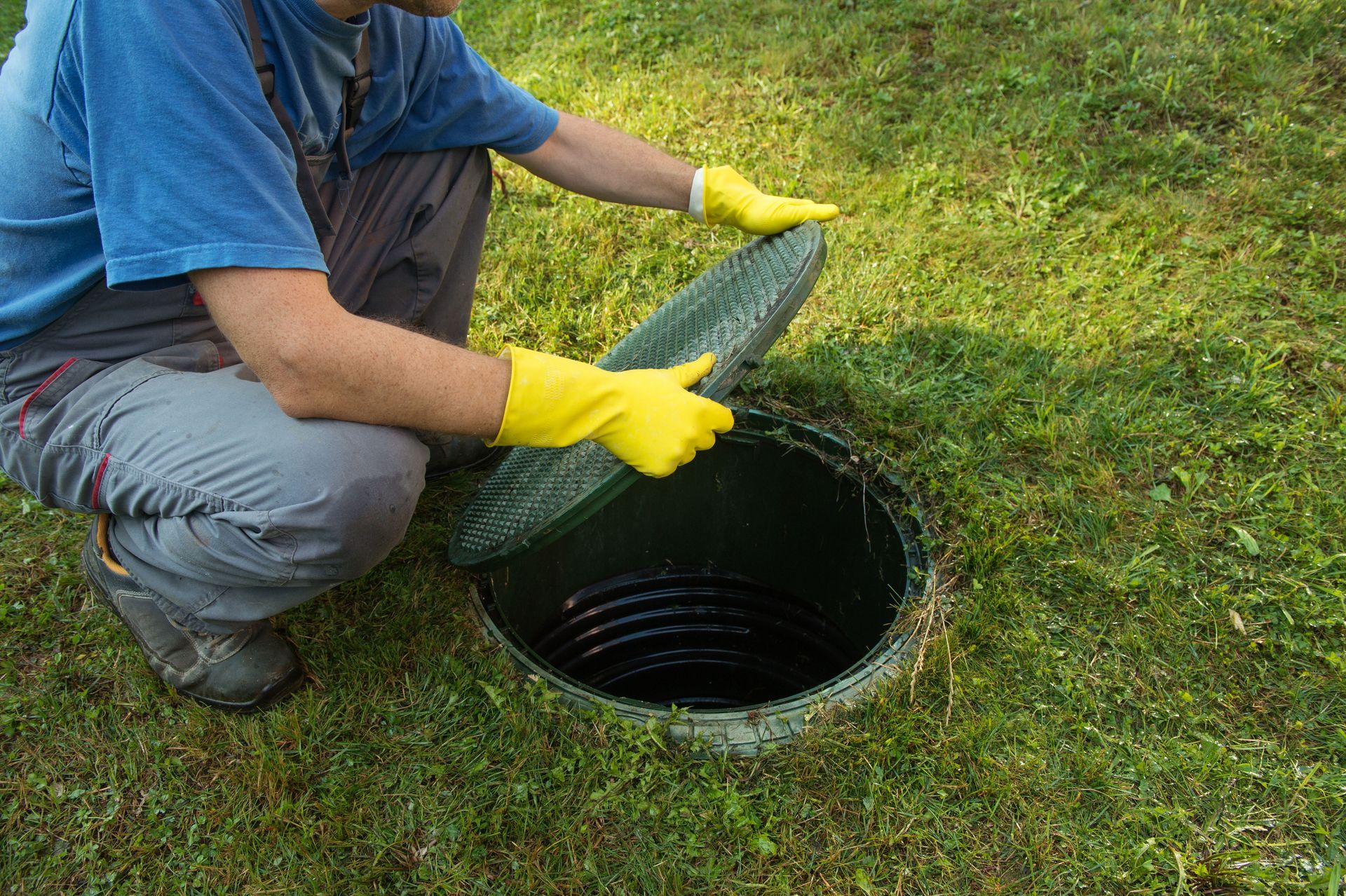
The process typically begins with a conversation about the problem. Homeowners may be asked how often backups occur, whether drains are running slowly, and whether they have noticed unusual odors or sounds. Technicians may also provide instructions for clearing access to the sewer cleanout before they arrive.
Inspecting Problem Areas
Technicians assess the system to determine where the problem is located and what may be causing it. A video camera inspection can reveal blockages, tree roots, cracks, corrosion, or other damage inside the pipe without requiring excavation. This information helps technicians choose an appropriate sewer cleaning method and identify repairs that may be necessary.
Planning the Service
After the initial assessment, the technician can explain the recommended approach, expected duration, and estimated cost. According to Modernize, clearing a main sewer line blockage usually costs between $200 and $500 and often requires hydro-jetting or a video camera inspection. Actual costs vary depending on the property's sewer system, the severity of the blockage, accessibility, and the work required.
Using Professional Equipment
Operating Rooter Machines
Rooter machines use rotating cables and cutting attachments to break through difficult obstructions. They are particularly useful for removing tree roots and stubborn clogs during sewer cleaning. The equipment allows technicians to address blockages while working through an existing access point.
Applying Hydro Jetting
Hydro jetting uses high-pressure water to break apart grease, sludge, mineral deposits, and other buildup along the interior walls of pipes. Because it cleans the pipe rather than simply creating a small opening through a clog, hydro jetting can be useful when significant buildup has accumulated. Technicians determine whether the pipe can safely withstand the pressure before using this method.
Inspecting With Cameras
Small, flexible cameras provide a detailed view of the inside of sewer lines. Technicians can use them before and after cleaning to locate obstructions and confirm that water can move freely through the pipe. Camera footage can also reveal structural problems that cleaning alone cannot correct.
Using Manual Tools
Technicians may also use augers, wrenches, and other hand tools for smaller obstructions or areas that require careful handling. These tools can complement larger equipment and are useful when working around connections, cleanouts, or other difficult access points.
Following Safety Procedures
Sewer work requires appropriate protective equipment because technicians can encounter contaminated water, bacteria, and potentially hazardous gases. Gloves, eye protection, protective clothing, and gas-monitoring equipment may be used depending on the conditions. Proper safety procedures protect both workers and homeowners throughout the appointment.
Applying Cleaning Techniques
Clearing Standard Blockages
For relatively straightforward problems, technicians may begin with mechanical equipment designed to break apart and remove the obstruction. The goal of sewer cleaning is to restore normal flow without damaging the existing pipe. The selected approach depends on the type, location, and severity of the blockage.
Removing Persistent Buildup
Heavy grease, sludge, mineral deposits, and recurring obstructions may require a more intensive method. Hydro jetting can scour the inside of a pipe and flush loosened material through the system. In some cases, technicians combine mechanical cleaning with water jetting to address different types of buildup.
Customizing the Approach
Every sewer system has different characteristics. Pipe material, age, diameter, length, condition, and the location of the blockage can all influence the recommended procedure. Technicians must select equipment and pressure levels appropriate for the system to avoid causing additional damage.
Managing the Appointment Time
A simple blockage may be resolved relatively quickly, while a complicated problem can require several hours. The length of the sewer line, accessibility, severity of the obstruction, and need for inspection or additional work all affect the timeline. Unexpected damage or difficult access can also extend the appointment.
Addressing Unexpected Problems
Technicians may discover collapsed sections, damaged joints, extensive root growth, or other problems after gaining access to the line. In these situations, the immediate goal may be to restore flow while documenting the underlying issue. Depending on the findings, additional repair or replacement work may be recommended.
Inspecting the System After Cleaning
Reviewing the Final Camera Footage
A follow-up camera inspection can confirm whether the obstruction has been removed and whether water has a clear path through the pipe. It can also reveal problems that were hidden by the original blockage. Reviewing the footage gives homeowners a clearer understanding of the system's condition.
Evaluating Cleaning Results
Technicians evaluate whether flow has been restored and whether the original concerns have been addressed. If slow drainage or other symptoms remain, additional investigation may be needed. A successful sewer cleaning appointment should address both the immediate blockage and any significant issues discovered during the process.
Checking Pipe Integrity
Cleaning does not repair structural damage, so technicians may check for cracks, corrosion, displaced joints, root intrusion, or collapsed sections. Identifying these conditions early can help homeowners plan repairs before a relatively manageable problem becomes an emergency.
Documenting Service Findings
Service documentation may include the work performed, inspection findings, equipment used, and recommendations for future maintenance. Keeping these records can help homeowners track recurring problems and provide useful information if repairs are needed later.
Explaining the Results
Before the appointment ends, the technician should explain what caused the problem, how it was addressed, and whether any additional work is recommended. Clear communication gives homeowners the information they need to decide how to maintain or repair their sewer system.
Resolving Common Sewer Problems
Removing Clogs and Blockages
Grease, foreign objects, paper products, and accumulated debris can restrict sewer flow. Professional sewer cleaning equipment removes these obstructions and helps restore normal drainage. Identifying what caused the blockage can also help homeowners prevent similar problems.
Clearing Tree Root Intrusions
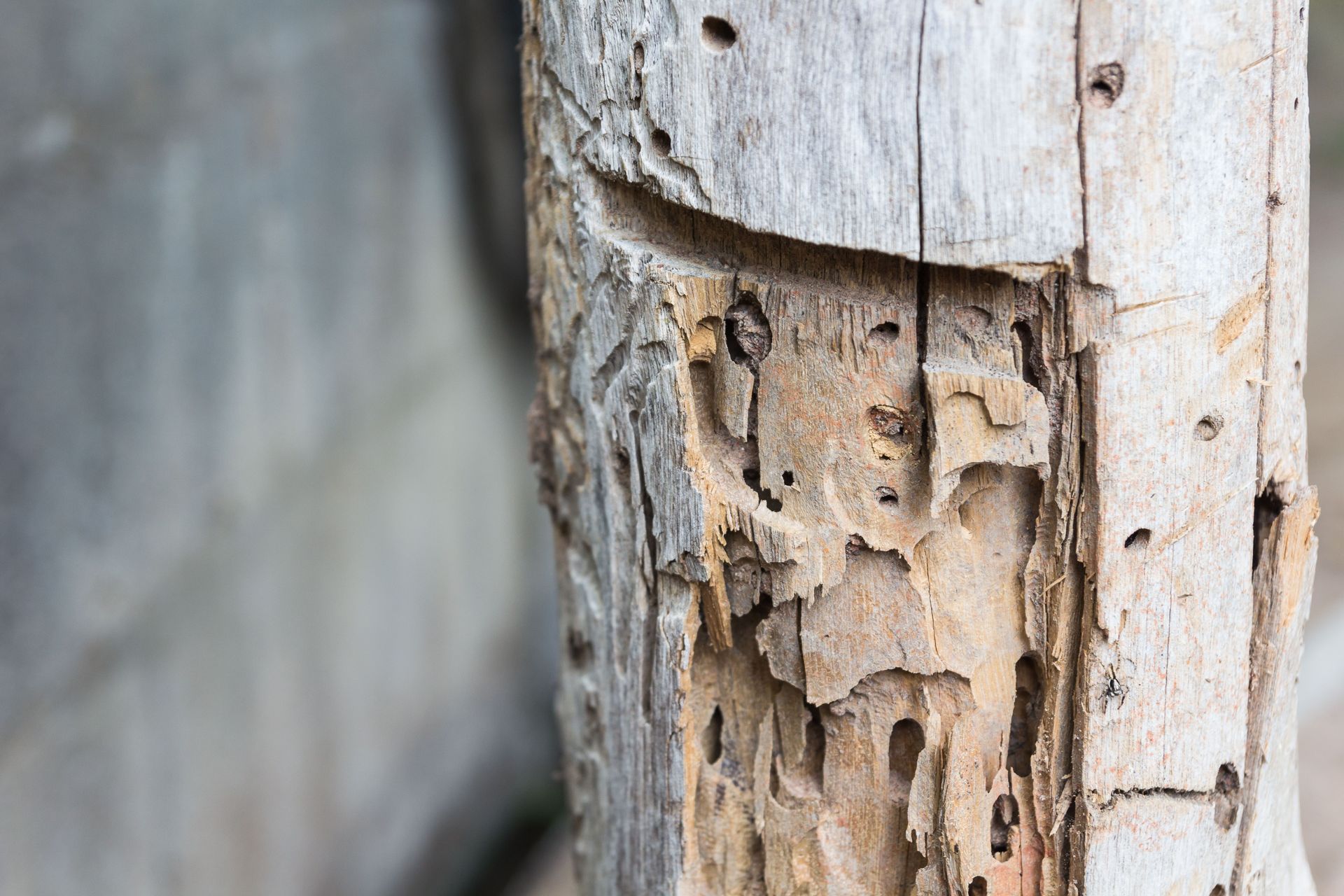
Tree roots can enter sewer lines through small cracks or joints in search of water. As they grow, they can restrict flow and contribute to pipe damage. Mechanical cutting equipment can remove existing roots, although recurring intrusion may require additional treatment or pipe repair.
Restoring Slow Drainage
Slow drains can be an early indication of a partial blockage. Rather than treating each affected fixture independently, technicians can investigate whether the restriction is located farther down the main sewer line. Identifying the source helps prevent repeated short-term fixes.
Eliminating Sewer Odors
Persistent odors may result from stagnant water, organic buildup, damaged connections, or venting problems. Removing accumulated material can resolve odors caused by blockages, while persistent smells may indicate that additional inspection is needed.
Reducing Backup Risks
A blocked sewer line can cause wastewater to back up into a home, potentially resulting in extensive property damage. Removing obstructions and identifying vulnerable areas can reduce the risk of future backups. Homeowners should address recurring warning signs rather than waiting for a complete blockage.
Understanding what happens during a sewer cleaning appointment makes it easier to prepare for service and evaluate recommendations. The process typically involves an initial assessment, targeted equipment, blockage removal, post-service inspection, and a review of the system's condition. Regular maintenance and prompt attention to warning signs can help protect your plumbing infrastructure and reduce the likelihood of disruptive backups.
If you need equipment or supplies for sewer line maintenance and rehabilitation work, West Coast CIPP Supply can help you find the products needed for your next project.

Share On: