Industrial infrastructure, municipal water distribution networks, marine transportation assets, and energy transmission pipelines endure continuous exposure to aggressive atmospheric pollutants, chemical reagents, moisture, and soil conditions. Without specialized surface defense systems, metallic and concrete structures undergo rapid degradation through oxidation, chemical leaching, and electrochemical erosion. Managing high-capital industrial assets demands sophisticated engineering solutions that prevent premature structural weakening and operational failures. Simply applying protective coatings without rigorous environmental analysis or surface preparation invites catastrophic delamination, hidden corrosion pockets, and premature asset replacement. According to NACE International, by using available corrosion control practices, it is estimated that savings of between 15 and 35% of the cost of corrosion could be realized. Partnering with certified corrosion specialists ensures that surface preparation, material selection, application methods, and quality control procedures align with strict global technical standards. Understanding the foundational importance of specialized asset defense empowers facility managers to make confident choices regarding protective linings, trenchless pipeline rehabilitation, and structural preservation. Establishing a proactive corrosion management strategy protects your capital investment, preserves operational safety, and guarantees long-term reliability across every phase of industrial performance.
Conducting Environmental Assessments and Surface Profiling
Evaluating environmental conditions and establishing proper surface profiles serve as the foundational initial step when engineering industrial protective lining solutions. Metallic substrates and underground pipeline systems require meticulous surface preparation to eliminate mill scale, grease, chemical salts, and previous coating remnants before application begins. Contracting with a qualified NACE certified contractor ensures that field technicians utilize advanced abrasive blasting techniques and specialized chemical wash methods to achieve exact surface anchor profiles. Certified specialists measure ambient air temperatures, substrate moisture levels, relative humidity, and dew point margins to ensure optimal application windows. Applying protective linings outside strict atmospheric parameters creates microscopic air pockets and moisture traps that cause premature coating blisters. Furthermore, precise surface profiling creates the mechanical anchor pattern necessary for high-performance epoxies, polyurethanes, and vinyl ester resins to bond permanently with the underlying substrate. Systematic environmental testing eliminates bond failure risks, protects raw material investments, and establishes an unyielding foundation for multi-layer barrier systems.
Selecting Specialized Coating Formulations and Resins
Navigating the vast array of industrial coating chemistries requires deep metallurgical knowledge, chemical compatibility expertise, and an intimate understanding of operational exposure factors. Industrial structures face diverse stress factors, ranging from immersion in aggressive acids and petroleum byproducts to high-temperature thermal cycling and abrasive slurry friction. Engaging an experienced NACE certified contractor guarantees that your project receives customized chemical selection tailored specifically to your facility's unique operating environment. Certified technicians evaluate chemical concentration levels, mechanical impact risks, and thermal expansion coefficients before recommending high-build epoxies, elastomeric polyureas, or trenchless cured-in-place lining materials. Furthermore, proper material selection accounts for curing times, pot life restrictions, and recoat windows to prevent inter-coat adhesion failures during application. Sourcing premium protective materials through accredited channels guarantees that chemical formulations meet rigorous laboratory testing benchmarks. Tailored material selection prevents chemical degradation, maintains barrier flexibility, and extends the operational lifespan of critical infrastructure assets.
Executing Precision Application Procedures and Quality Control
Executing industrial coating applications demands strict adherence to technical application standards, precise thickness monitoring, and rigorous quality assurance protocols. Even the most advanced protective lining formulation will fail prematurely if applied unevenly, contaminated during spraying, or cured under improper atmospheric conditions. Hiring a NACE certified contractor provides dedicated on-site supervision by trained specialists who monitor wet film thickness, dry film build, and cross-contamination factors continuously. Certified application teams utilize specialized plural-component spray systems, environmental control enclosures, and automated lining machinery to maintain uniform material distribution across complex geometries. Furthermore, field technicians perform non-destructive magnetic and ultrasonic thickness testing to verify that final barrier coatings meet exact engineering specifications. Meticulous application execution eliminates thin spots, prevents runs and sags, and ensures complete surface coverage over weld seams and sharp edges. Systematic quality control guarantees maximum barrier performance, shielding vital structural components against aggressive chemical and environmental attacks.
Performing Advanced Non-Destructive Testing and Inspection
Identifying microscopic pinholes, holiday voids, and hidden bonding defects requires specialized non-destructive testing equipment operated by certified inspection personnel. Unseen defects in protective linings allow corrosive reagents to bypass surface barriers, causing rapid, localized substrate corrosion that remains hidden until structural failure occurs. Utilizing a credentialed NACE certified contractor ensures that completed coating installations undergo thorough high-voltage spark testing, low-voltage sponge testing, and adhesion pull-off evaluations. Certified inspectors scan entire surface areas systematically, detecting microscopic flaws and pinhole voids that are invisible to the naked eye. Promptly identifying application flaws allows field crews to perform localized repairs while coatings remain within acceptable recoat windows. Furthermore, detailed inspection documentation provides asset owners with verifiable proof of compliance with international quality standards. Advanced non-destructive testing verifies complete barrier continuity, eliminating hidden corrosion hazards and guaranteeing total physical protection for high-value infrastructure assets.
Mitigating Microbiologically Influenced Corrosion in Wastewater Infrastructure
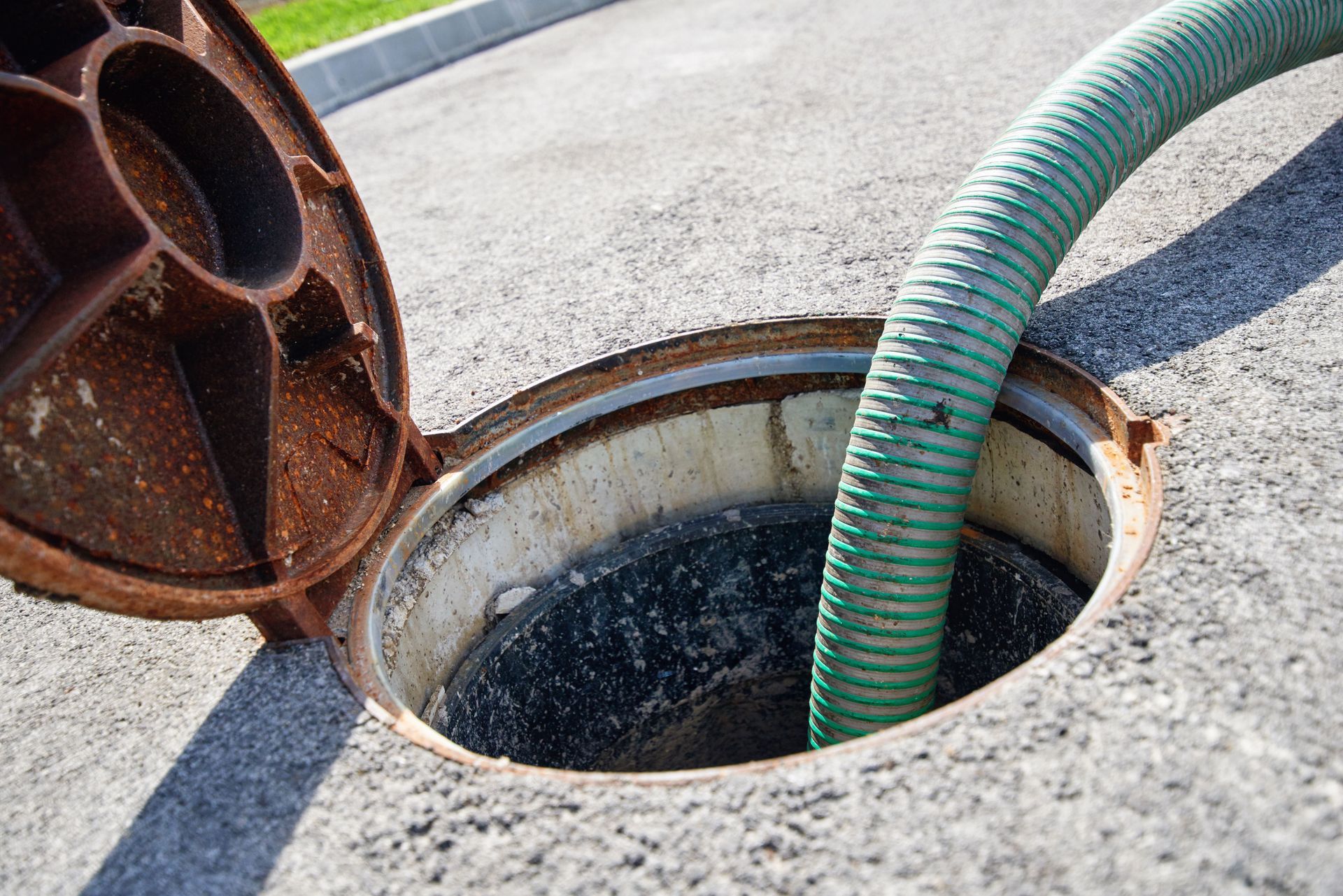
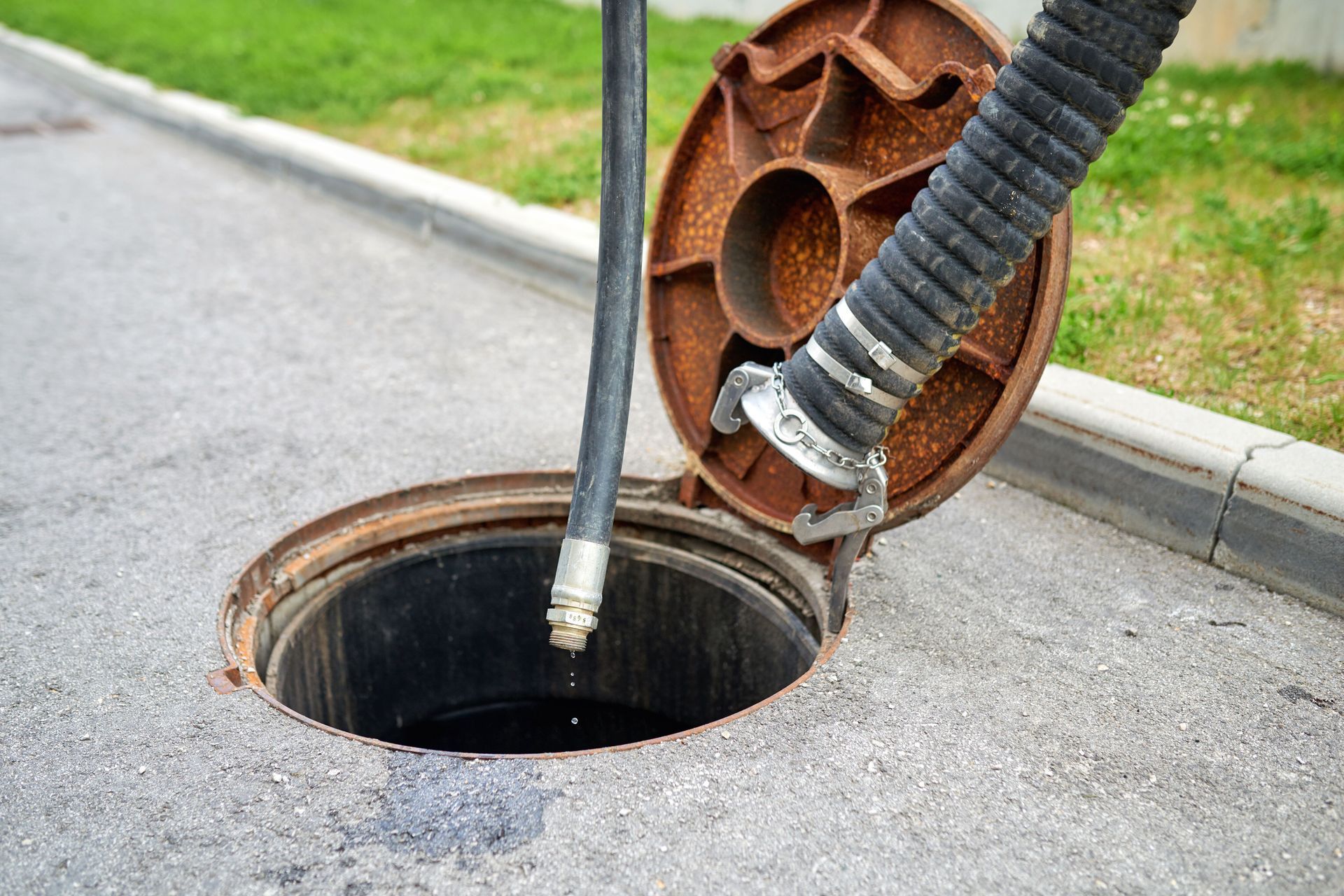
Subterranean municipal pipelines, sewer manholes, and industrial wastewater treatment tanks endure extreme biological corrosion driven by anaerobic bacteria and hydrogen sulfide gas formation. Bacterial activity along pipe walls converts hydrogen sulfide into concentrated sulfuric acid, which rapidly dissolves concrete matrices and erodes heavy cast iron pipe walls. Contracting with an established NACE certified contractor provides access to specialized trenchless pipe rehabilitation technologies, including cured-in-place pipe linings, epoxy sprays, and calcium aluminate mortar barriers. Certified specialists select antimicrobial resins and acid-resistant polymer linings engineered to withstand severe biological acid attacks without softening or cracking. Furthermore, proper trenchless installation methods restore structural integrity to severely deteriorated pipelines without requiring destructive open-cut excavation across municipal roadways. Mitigating biological corrosion halts subterranean concrete degradation, prevents groundwater contamination, and eliminates structural collapse risks across aging municipal collection networks. Specialized biological defense extends wastewater infrastructure lifespan significantly, saving taxpayers substantial capital replacement costs.
Preserving Asset Equity and Reducing Long-Term Lifecycle Costs
Implementing professionally managed corrosion protection programs provides substantial financial returns by extending equipment operational lifespans and preventing unexpected facility shutdowns. Unplanned emergency repairs caused by corrosion failures incur massive financial losses, including lost production time, environmental cleanup fines, regulatory penalties, and emergency labor surcharges. Relying on a trustworthy NACE certified contractor establishes a predictable maintenance framework that replaces reactive emergency repairs with proactive, scheduled surface preservation. Certified specialists generate detailed baseline inspection reports, monitor coating degradation rates, and perform localized maintenance touch-ups before widespread substrate damage occurs. Furthermore, maintaining pristine protective coatings preserves real estate and machinery equity, enhancing overall corporate asset valuation during financial audits or property transfers. Systematic surface preservation minimizes operational downtime, optimizes maintenance budgets, and ensures continuous industrial productivity across decades of service. Proactive corrosion management converts volatile repair expenditures into manageable, value-adding capital investments.
Comprehensive corrosion mitigation demands rigorous environmental analysis, precise surface profiling, specialized chemical selection, flawless application execution, advanced non-destructive testing, and proactive maintenance planning. Protecting vital municipal pipelines, industrial chemical processing plants, marine structures, and energy infrastructure requires unyielding commitment to international technical standards. Partnering with certified surface preservation professionals eliminates premature coating failures, halts substrate oxidation, and prevents catastrophic structural collapses. Protecting your physical assets with advanced protective linings preserves operational safety, lowers lifecycle maintenance expenses, and safeguards long-term corporate equity across every operating environment. Thorough technical execution transforms vulnerable infrastructure into resilient, long-lasting industrial assets.
At West Coast CIPP Supply, our dedicated team brings deep technical expertise, an extensive inventory of advanced trenchless rehabilitation materials, and an unwavering commitment to quality on every infrastructure project we support, ensuring your pipelines and containment structures achieve maximum corrosion resistance and lasting structural durability. Contact us today or visit our facility to explore our premium lining products and discover how expert supply solutions elevate your next corrosion protection project.

Share On: