Recurring drain clogs can indicate more than an inconvenience. When blockages repeatedly develop in the same area, they may point to underlying problems within underground pipes. Buildup, root intrusion, corrosion, and structural damage can all interfere with wastewater flow. Recognizing these warning signs helps homeowners and property managers determine when routine maintenance is sufficient and when a deeper investigation is necessary. By understanding the relationship between recurring clogs and pipe conditions, property owners can make informed decisions that protect their plumbing systems and avoid unnecessary repairs.
Recognize Common Causes of Drain Clogs
Identify Buildup and Obstructions
Hair, soap residue, grease, and food particles can accumulate along pipe walls, gradually restricting water flow. Kitchen drains are especially vulnerable to grease, which cools and hardens after entering the plumbing system. Mineral deposits from hard water can also create stubborn scale that narrows the available passage. Meanwhile, wipes and other foreign objects may become lodged in bends or joints. Although these blockages can sometimes be removed through routine drain cleaning, repeated buildup may indicate that a pipe has an irregular interior surface or another condition that encourages debris to collect.
Recognize Root Intrusion
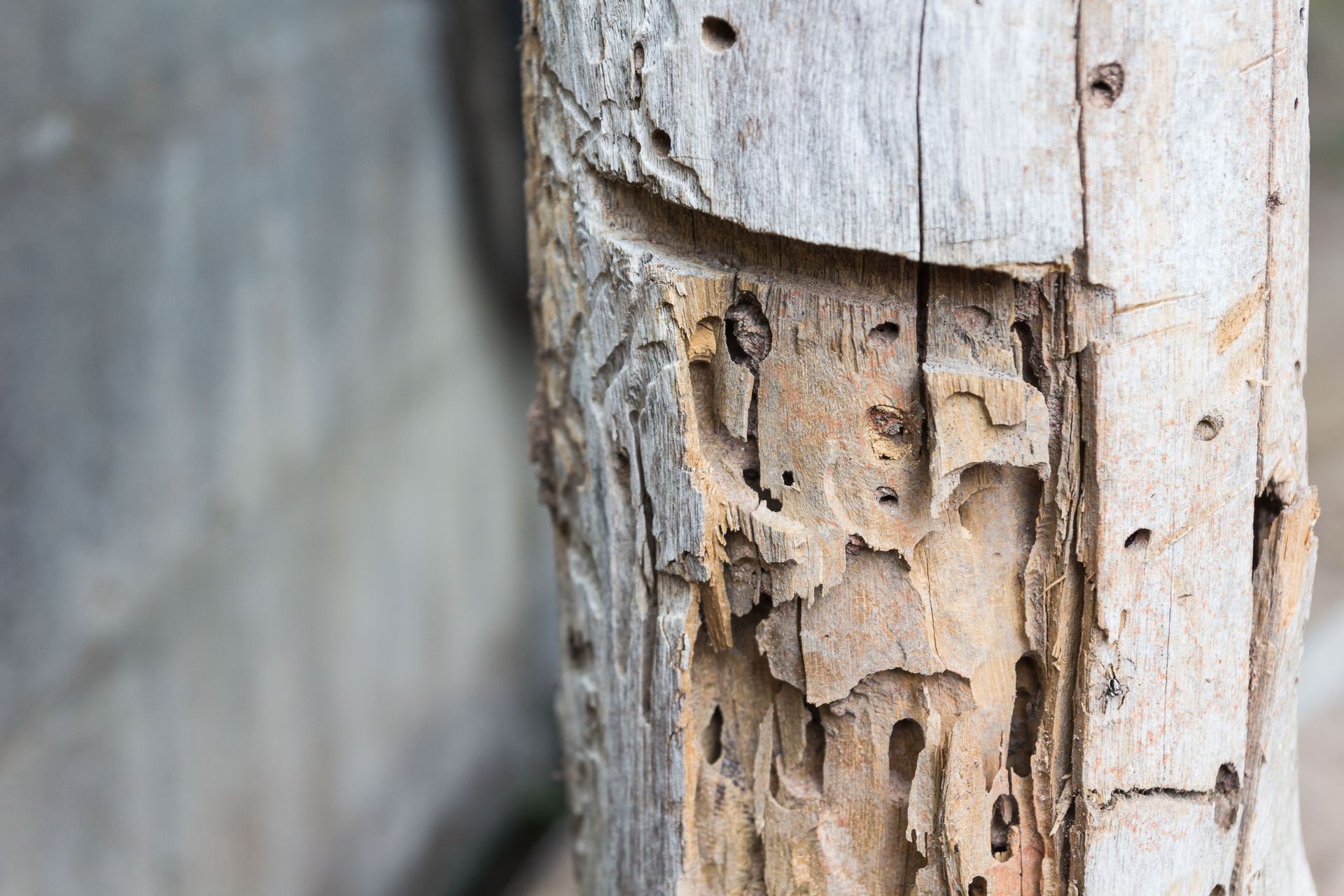
Tree roots naturally seek moisture and can enter sewer pipes through small cracks or loose joints. Once inside, roots may expand, catch passing debris, and restrict wastewater flow. Continued growth can worsen existing damage and contribute to leaks or pipe misalignment. If clogs repeatedly occur near landscaped areas or mature trees, a professional inspection can help determine whether roots are responsible. Removing the obstruction may restore flow temporarily, but damaged sections may require additional attention to prevent the same problem from returning.
Identify Signs of Deeper Pipe Problems
Monitor Repeated Blockages
A clog that returns shortly after being cleared deserves closer attention. Recurring problems in one fixture may suggest a localized obstruction, while repeated blockages throughout a property can indicate trouble in a shared branch line or main sewer. Cracks, scale, displaced joints, and deteriorated pipe walls can all create places where debris accumulates. Keeping track of when and where clogs occur gives drain cleaning technicians useful information during diagnosis and helps distinguish an isolated blockage from a more extensive plumbing concern.
Notice Changes in Drainage and Odors
Slow drainage across multiple fixtures can indicate restricted flow farther along the system. Gurgling sounds may develop when air struggles to move through partially blocked pipes or when venting problems interfere with drainage. Persistent sewage odors can point to trapped organic material, damaged connections, or other plumbing concerns. Wastewater backing up into sinks, tubs, or floor drains is a more urgent warning that requires prompt attention. These symptoms should not be ignored, particularly when several appear together or become progressively worse.
Investigate Underground Pipe Conditions
Use Camera Inspections to Locate Problems
Video camera inspections allow technicians to examine the inside of underground pipes without extensive excavation. The footage can reveal root intrusion, cracks, corrosion, accumulated deposits, displaced joints, and other defects that contribute to recurring blockages. Locating the precise problem helps professionals recommend a solution based on the pipe's actual condition rather than relying on symptoms alone. An inspection can also establish whether the line simply needs cleaning or whether structural rehabilitation should be considered. In many cases, this assessment helps determine whether additional drain cleaning will resolve the issue or only provide temporary relief.
Evaluate Pipe Materials and Age
Different pipe materials have different maintenance needs and vulnerabilities. Older cast iron pipes may develop corrosion and rough interior surfaces, while some other materials can deteriorate or become damaged as they age. PVC is valued for its resistance to corrosion and durability when properly installed and maintained. According to This Old House, PVC pipes can last more than 100 years. However, actual service life depends on installation quality, operating conditions, and exposure to damaging forces. Identifying the pipe material and reviewing its age can help professionals assess recurring problems and determine whether repairs or replacement are appropriate.
Review Maintenance and Repair History
Previous service records can help explain why a blockage keeps returning. Frequent clearing in the same section may indicate that earlier work addressed the obstruction without resolving its underlying cause. Records of leaks, root removal, repairs, and inspections can reveal patterns that guide further investigation. Property owners who document these events give technicians a clearer picture of the system's history, making it easier to plan appropriate maintenance and avoid repeatedly treating the same symptoms.
Assess Environmental Factors That Affect Pipes
Consider Soil Movement and Weather
Underground pipes can shift when the surrounding soil settles, expands, or becomes saturated. Ground movement may cause joints to separate, create low spots, or place stress on aging pipe walls. Freezing temperatures can also damage vulnerable plumbing, while heavy rainfall and changing groundwater levels may affect underground infrastructure. These conditions do not automatically mean a pipe is damaged, but recurring drainage problems following significant weather or ground changes may justify an inspection.
Examine Nearby Trees and Construction
Large trees near sewer lines can increase the risk of root intrusion, particularly when pipes already have vulnerable joints or cracks. Nearby excavation and heavy construction equipment may also disturb soil or place stress on buried infrastructure. If drainage issues begin after landscaping changes or construction work, technicians can inspect the affected line for movement or damage. Understanding the surrounding environment helps property owners make better decisions about maintenance, landscaping, and future repairs.
Choose Appropriate Maintenance and Repair Solutions
Schedule Preventive Drain Cleaning
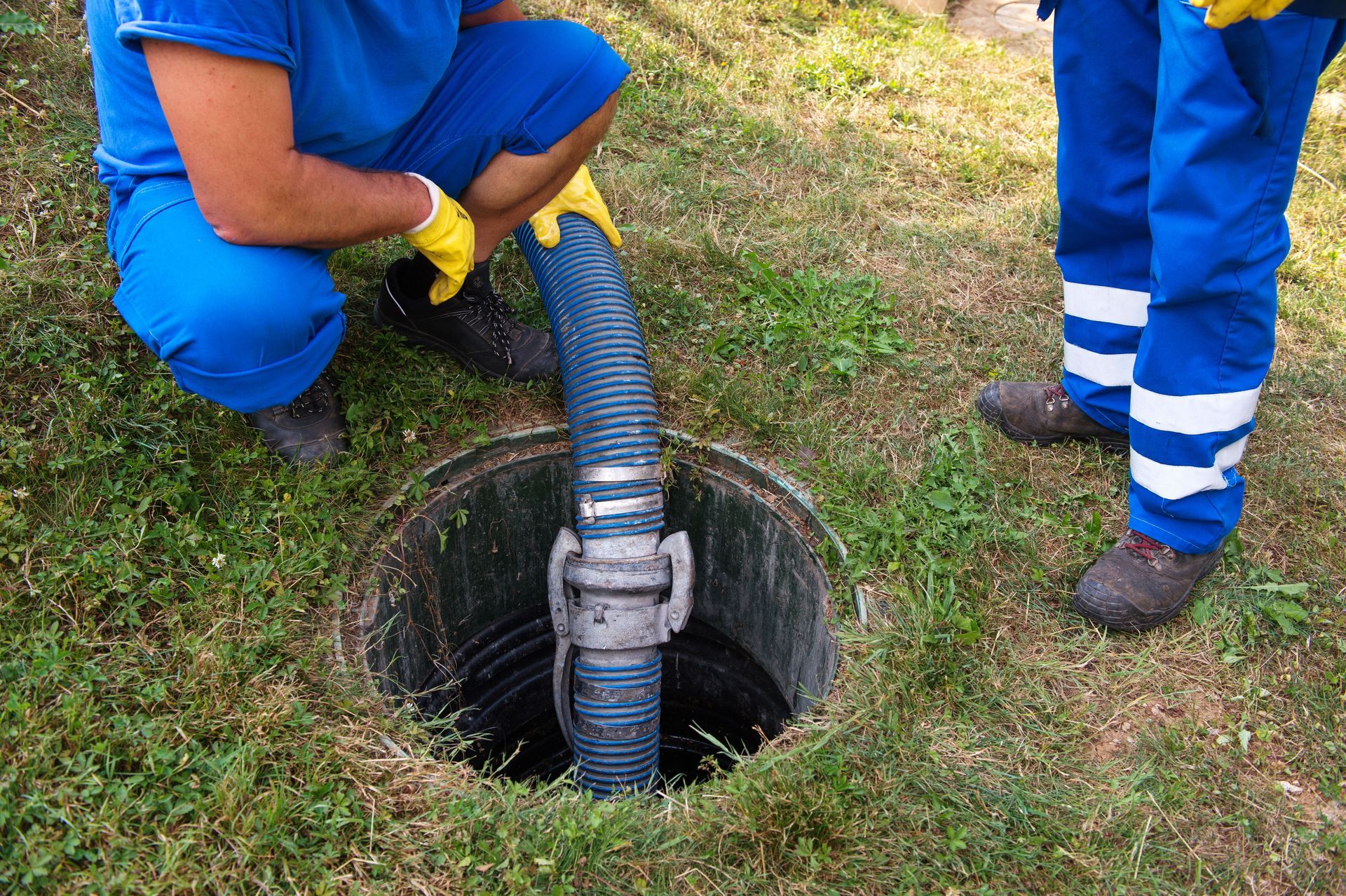
Preventive drain cleaning can remove accumulated debris and help maintain reliable wastewater flow. The appropriate frequency depends on pipe condition, usage, and the type of material entering the system. Commercial properties with heavy usage may require a different maintenance schedule from residential properties. However, cleaning should be selected according to the pipe's condition, especially when older or damaged sections are involved. If blockages return frequently despite maintenance, a camera inspection can help determine whether the system needs more than routine service. A targeted approach can also help property owners avoid unnecessary treatments that do not address the underlying cause.
Determine When Pipe Rehabilitation Is Necessary
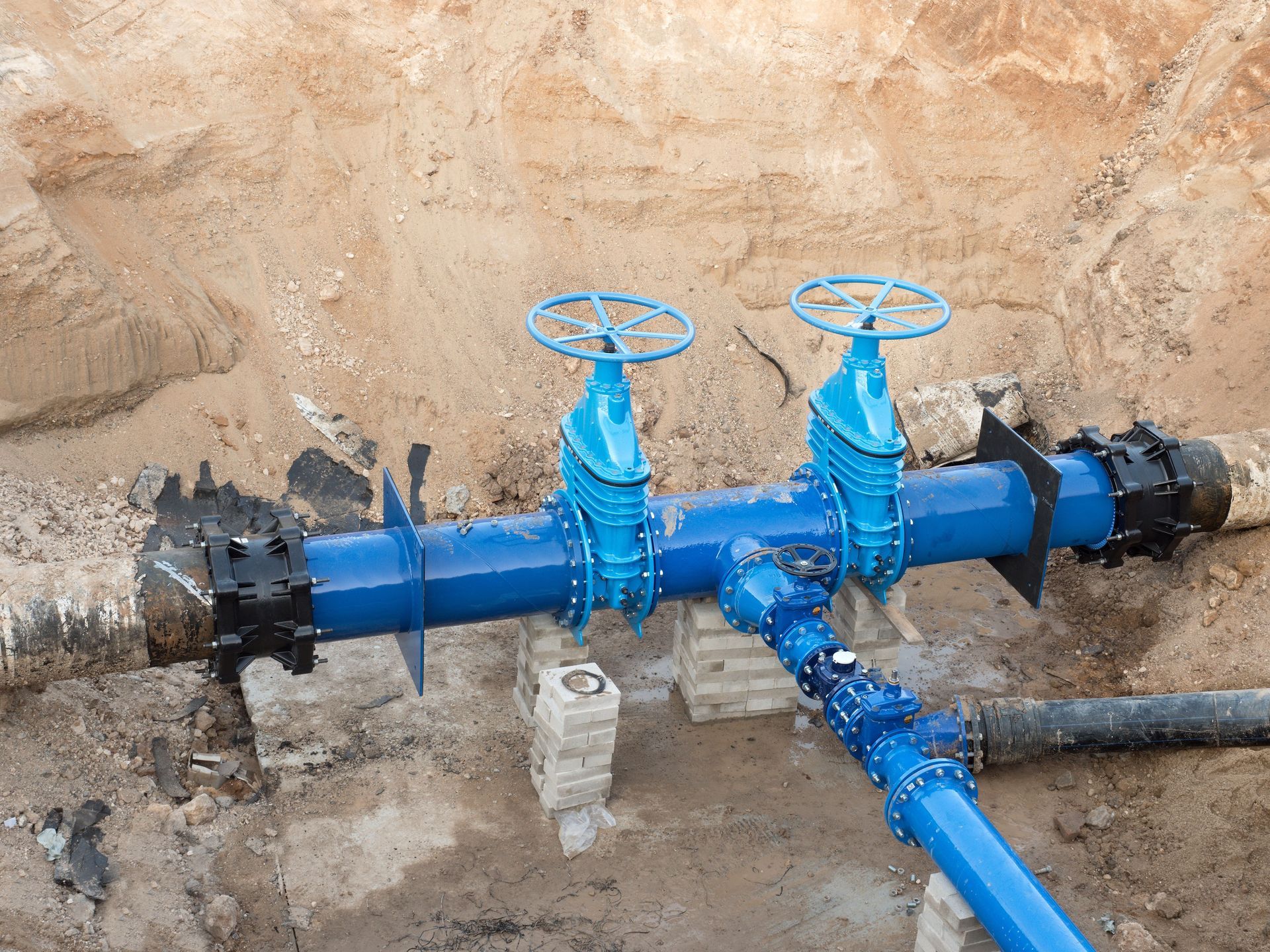
Cleaning removes obstructions but does not repair cracks, separated joints, or deteriorated pipe walls. When inspections reveal structural damage, professionals may recommend localized repairs, replacement, or trenchless rehabilitation. Cured-in-place pipe (CIPP) lining is one option for rehabilitating eligible existing pipes without replacing the entire line through extensive excavation. The appropriate solution depends on the pipe's condition, configuration, and suitability for the method. Addressing structural defects can help resolve the underlying conditions that allow blockages to recur.
Compare Immediate and Long-Term Costs
Repeatedly clearing the same blockage may appear less expensive initially, but ongoing service calls can add up without resolving the cause. A proper assessment helps property owners compare the cost of continued maintenance with the potential benefits of repair or rehabilitation. Decisions should consider the pipe's remaining service life, the likelihood of future problems, and the disruption associated with each option. Choosing a solution based on documented pipe conditions can help reduce recurring expenses and support long-term system reliability.
Recurring clogs can reveal important information about underground pipe conditions, from everyday buildup to root intrusion and structural deterioration. Paying attention to drainage changes, documenting repeated problems, and arranging appropriate inspections can help property owners identify the source before damage becomes more extensive. While drain cleaning remains useful for removing obstructions, persistent problems may require repairs or trenchless rehabilitation. For information about CIPP products and solutions for sewer infrastructure projects, contact West Coast CIPP Supply to explore options for addressing pipe rehabilitation needs and supporting long-term system performance.

Share On: